Boiler replacement in Teesside
Replacing a boiler in Teesside costs £1,800 to £3,500 fitted in 2026 for a like-for-like combi swap, £2,600 to £4,200 to convert a system boiler and cylinder to a combi, and £2,800 to £4,500 to remove a back boiler and start again. Gas Safe registered, priced in writing before the job starts.
Swap, conversion or full rethink
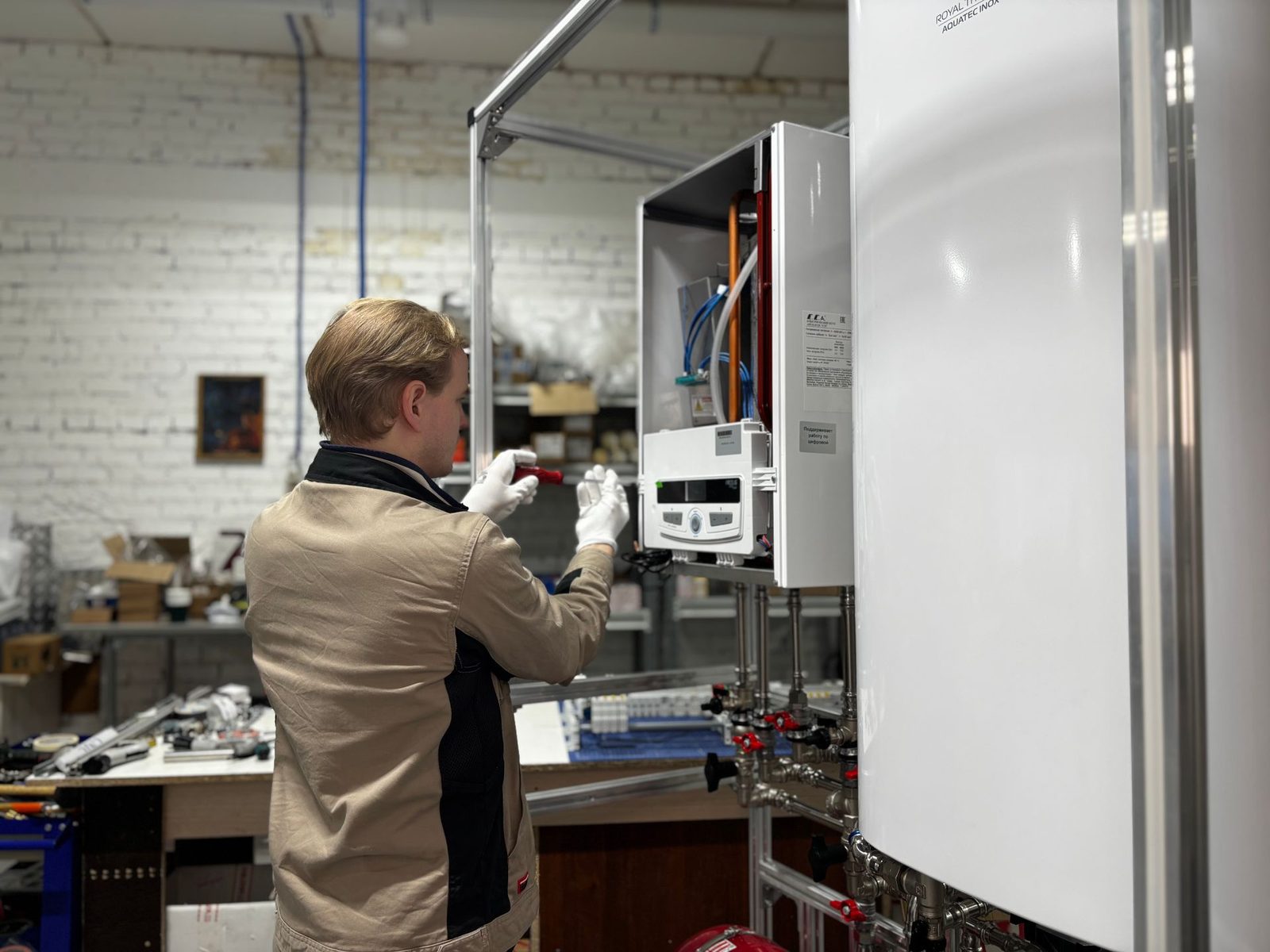
Three different jobs hide behind the phrase new boiler. A straight swap puts a modern combi where the old combi was, reusing the flue position and most pipework, and takes a day: £1,800 to £3,500 depending on brand, output and warranty length. A conversion strips out the hot water cylinder and loft tanks and turns a vented system into a combi, which means capping tanks, reworking pipework and making good in the airing cupboard, at £2,600 to £4,200 over one to two days. And in the older estates there is the back boiler: gas fire out, hearth and flue reworked, gas supply upgraded, boiler relocated, typically £2,800 to £4,500.
What should be in the price
- The appliance named: make, model and kilowatt output, not just "a 25kW combi".
- Gas supply checked: many older houses need the run upgrading to 22mm to feed a modern boiler properly.
- System protection: chemical clean or power flush as needed, inhibitor dosed, magnetic filter fitted.
- Condensate done properly: internal run where possible, insulated and correctly sized if it must go outside, because that is what freezes in a Teesside January.
- Controls: a programmable or smart thermostat, and thermostatic valves where radiators lack them.
- Paperwork: commissioning and Benchmark record, building control notification, warranty registered in your name.
Sizing, not upselling
Bigger is not better. An oversized combi cycles on and off, wears its components and heats the house no faster. Sizing follows the heat loss of the property and the hot water demand: one bathroom and an en suite in a three-bed semi is different from a Yarm house with three showers, where a system boiler and an unvented cylinder usually beats any combi. A good quote explains which route it has chosen and why.
Hard water and older pipework
Across much of Teesside the mains water is hard, so a scale reducer on a new combi is cheap insurance for the plate heat exchanger. Microbore pipework, common in 1970s and 80s houses, needs checking for restriction before a new boiler is asked to push heat through it. Both are survey questions, and both are cheaper to sort during the install than afterwards.
Prices by boiler and house type are set out in the Teesside boiler cost guide. If you are weighing gas against a heat pump before committing, read the comparison first.