Power flushing in Teesside
A power flush in Teesside costs £350 to £600 in 2026, set by radiator count and how much sludge the system holds. It clears the black magnetite that leaves radiator bottoms cold, kills pumps and shortens a new boiler's life, and it should always end with inhibitor and a magnetic filter.
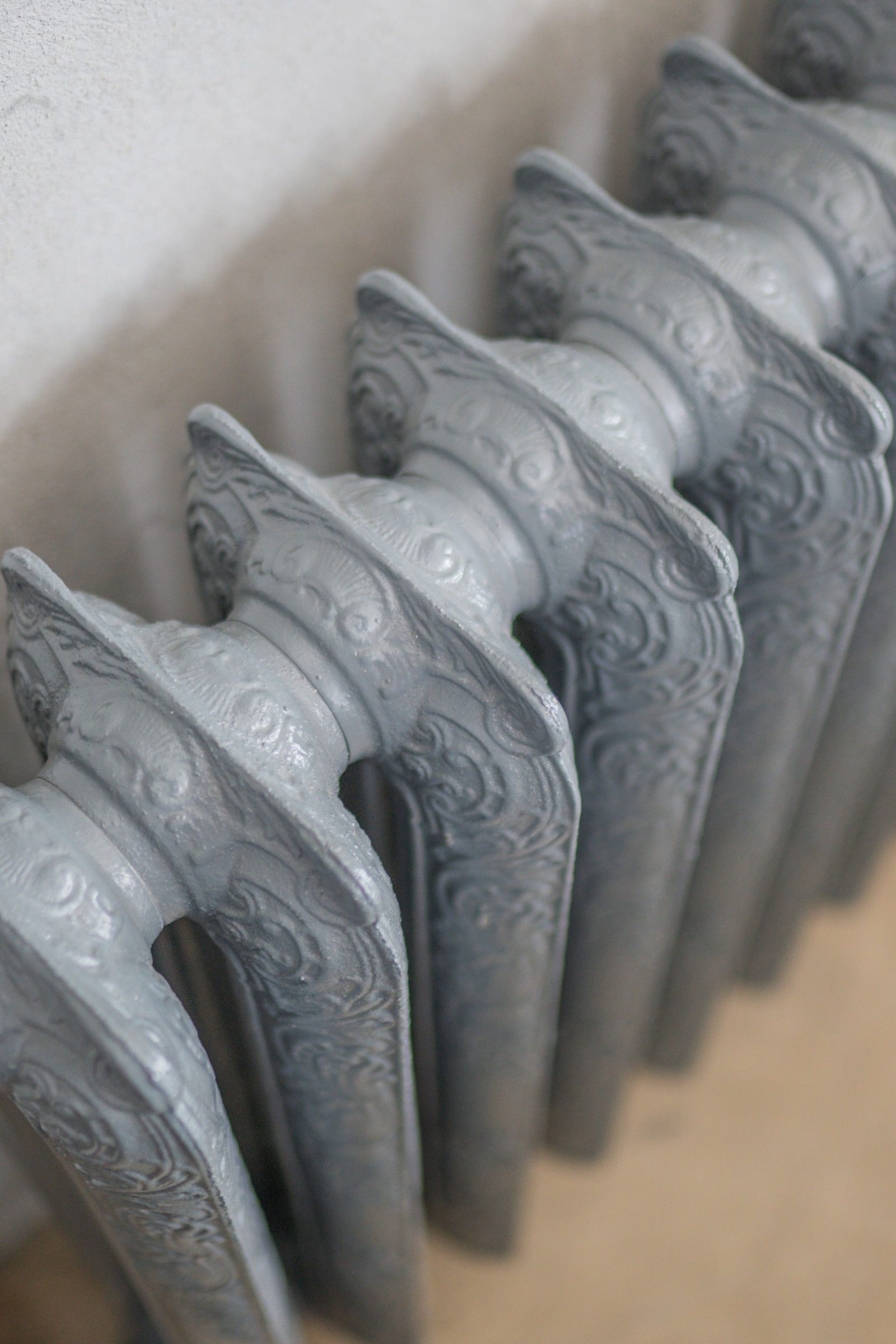
What sludge does to a Teesside system
Steel radiators and water make magnetite, a fine black iron oxide that settles in radiator bottoms, chokes pumps and heat exchangers, and blocks narrow microbore runs entirely. On older Teesside systems that were never dosed with inhibitor, decades of it accumulate. The symptoms are familiar: radiators hot at the top and cold at the bottom, one room that never warms, a pump that whines or fails twice in three years, boiler noise on start-up, and black water at the bleed valve.
How a proper flush is done
- A pumping unit is connected across the system and a cleaning chemical circulated at temperature.
- Each radiator is worked individually, with flow reversed and magnets used to draw deposits out.
- The system is dumped and refilled repeatedly until the water runs clear, then tested with a total dissolved solids reading.
- Inhibitor is dosed to the correct concentration for the system volume.
- Radiators are rebalanced so flow is shared properly instead of favouring the ones nearest the boiler.
- A magnetic filter is fitted, £120 to £220, which is what stops the problem returning.
When you do not need one
A power flush is not the answer to every complaint, and it should not be sold as a routine add-on to every boiler installation. A reasonably clean system needs a chemical clean, a fresh dose of inhibitor and a filter, at a fraction of the cost. Severely blocked microbore sometimes cannot be recovered at all, and the honest recommendation there is to replace the affected pipe runs rather than charge for a flush that will not shift the blockage. Ask what evidence the recommendation is based on: filter contents, bleed water, radiator surface temperatures.
Worth doing before a new boiler
Fitting a modern boiler onto a dirty system is the fastest way to void its warranty and clog its heat exchanger, so cleanliness is a manufacturer requirement rather than an upsell. Whether that means a flush or a chemical clean depends on what the system actually holds, and it should be spelled out on the replacement quote. If you are chasing a specific fault instead, start with repairs.